
How School Book Fairs Expand Book Access for Children
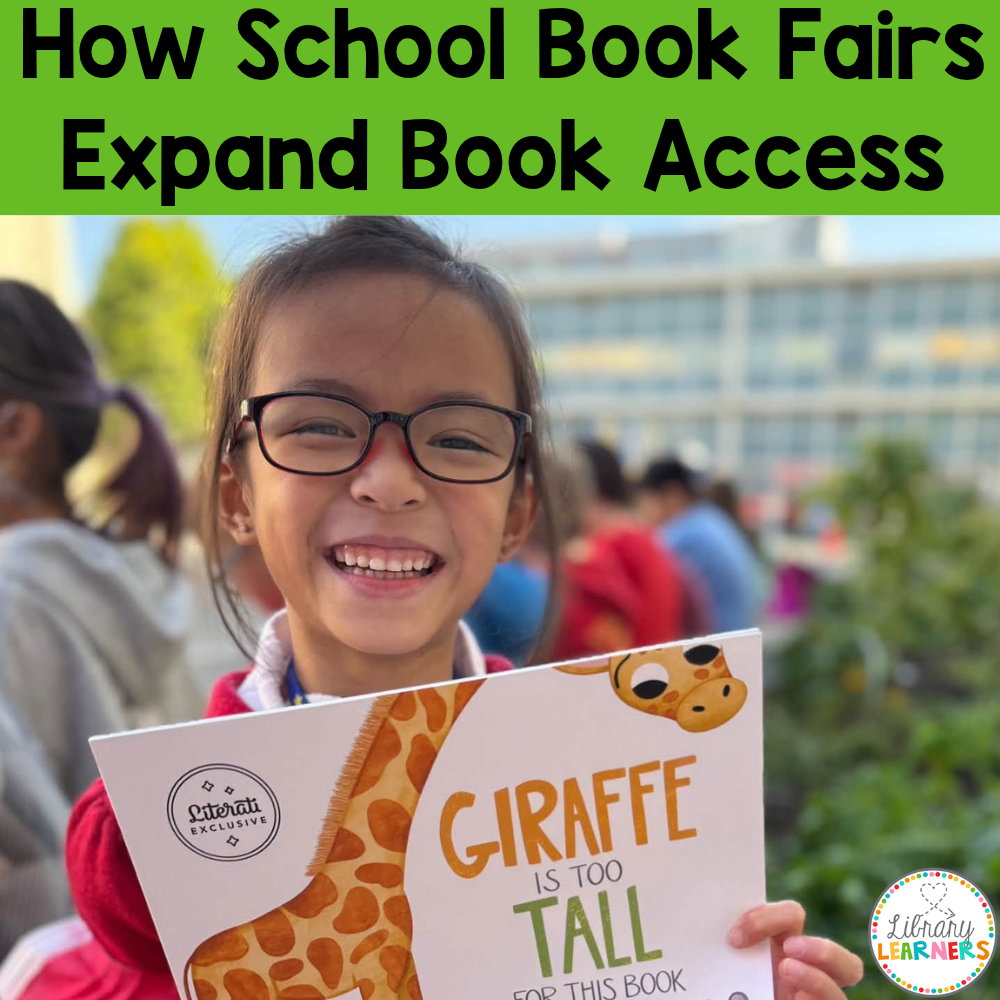
Every school has them: the kids who bounce into the library on Monday talking about the new book they got over the weekend, and the kids who quietly check out as many books as they’re allowed because those are the only ones they’ll have at home. When I think about book access for children, those are the faces I see.
Access isn’t about whether a child loves reading. Nearly every child does when the right book finds them. It’s about whether a book is within reach, and that varies a lot from one home to the next.
I wrote this post in partnership with Literati, but all opinions are my own, based on my research and experience as a school librarian and book fair coordinator. Literati continues to find opportunities to bolster equity and make fairs more accessible to every student.
The Access Gap Is Real
Some students happily unwrap a stack of new books every birthday and holiday. Others live in families where the budget stretches to groceries, rent, and gas, and a $7 paperback can’t be a priority. That’s not a failure of love or effort. It’s just math.
It matters for children’s literacy because reading skills grow with practice, and practice requires books. Kids who have books of their own to read, reread, and pass to a sibling get more of that practice. Kids who don’t are working with fewer chances to build the habit. Over the years, a small gap in access can become a large gap in confidence and achievement. That’s why educational equity and book access are so closely connected.
This is especially true in low-income schools, where library budgets are often the tightest and the need is the greatest.
Practical Ways Schools Can Close the Gap
The good news is that schools aren’t powerless here. Many are finding creative, realistic ways to get more books to more kids. Here are three of the most practical.
1. Book fairs (with intention)
Book fairs get mixed reviews, and the criticism is fair. Some librarians point out that a sales event can sit uneasily next to the principle that books in a library should be free and open to everyone.
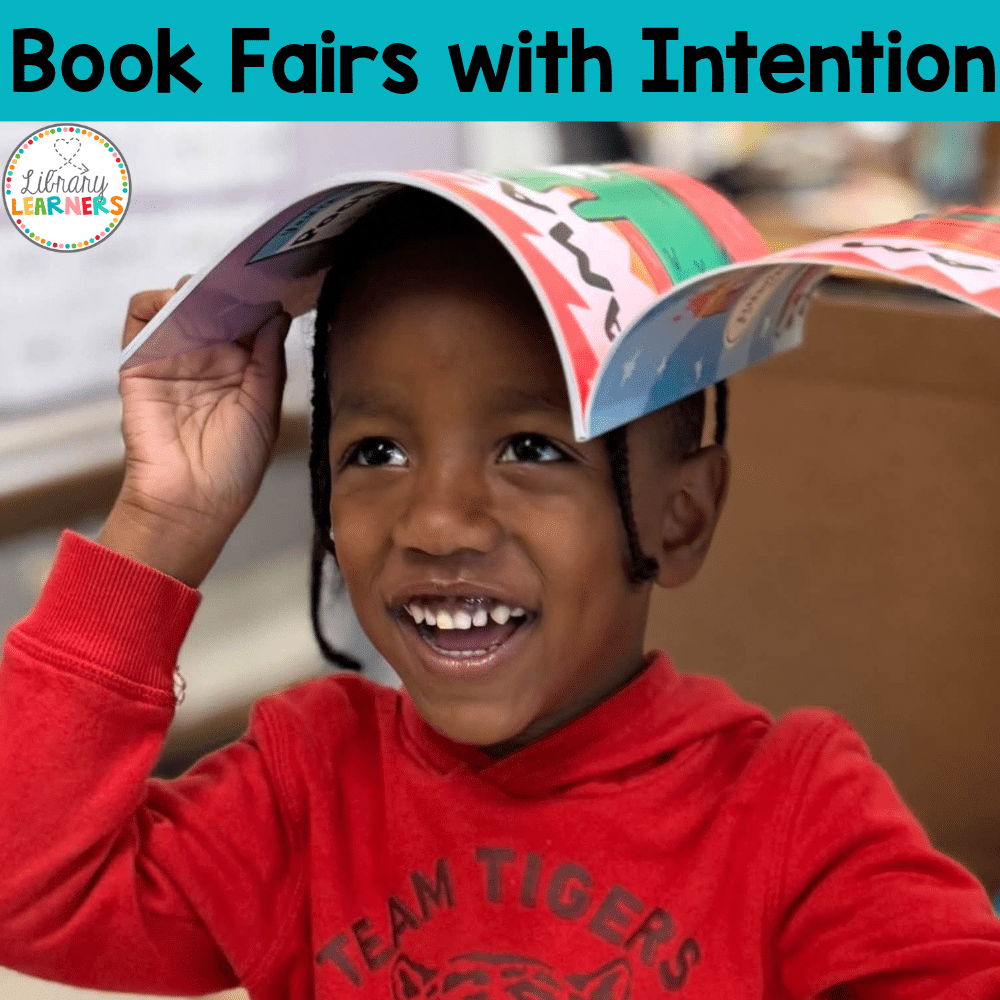
But the picture is more complicated than that. In a School Library Journal article, Building Better Book Fairs: Librarians Create New Models, Maura Madigan shares what she learned by surveying 393 school librarians. Most of them still like book fairs, and many host two or three a year. For librarians without a guaranteed budget, a fair can be the only way to add new books to the collection, which benefits every student in the school.
Librarians appreciate the reading excitement that a book fair brings to their campus, the funds they raise, and the life experience for students of shopping and handling money. School librarian Melissa Corey, quoted in the article, reminds us that fairs can raise real money for libraries in need, but that literacy should be treated as a right, not a privilege.
I love that framing. A book fair doesn’t have to be only a sale. With some thought, it can be a way to make sure every child has a book of their own.
2. Online stores that extend the fair beyond one week
Fair week is wonderful, but it’s also a narrow window. Some families can’t come to an evening event because of work schedules, transportation, or childcare. Sometimes a book fair hits at the wrong point in the pay cycle.
An online store lets families shop on their own time, from their phones, long after the tables are packed up. Anything that makes it easier for a family to say yes to a book and for the library to earn money for more books is a win for access.
Ask your book fair vendor how long you can keep your online store open. You can go back to teaching library lessons in your space, while the online fair keeps raising funds for your school library.
3. Community-supported purchasing
This is where a school community really shines. Some book fair companies provide online teacher and librarian wishlists that can be shared via social media. Those wishlists create a shared space where teachers can point out the stories they know students will love, and communities can express their gratitude for the important work educators do. Literati reports that many schools are amazed when they add thousands of dollars to their fair totals through online teacher and librarian wishlists, making hundreds of books available to students.
This approach works because it turns “I wish every kid had a book” into something people in your extended school community can act on with a click.
Where Rewards Come In
This is the part I get most excited about, and the one I think is most overlooked. Every purchase at a book fair earns rewards the school can reinvest. Here’s how you can use book fair rewards to get more books and tools into your library and make sure every student walks away with something to read:
- Fill the gaps in library shelves first. Look at what your students are asking for and not finding, like series that are always checked out, books that reflect your students’ lives, and high-interest titles for reluctant readers.
- Put books directly into kids’ hands. Set aside part of the rewards for a “no one leaves empty-handed” fund, so any student who couldn’t buy at the fair could still choose a book to keep. Maybe you combine your book fair profits with grants to purchase enough books for every student to take home one or two titles for free, starting a home library that can grow each year.
- Invest in tools that support reading. Your book fair rewards can fund items like display shelving, book bins, or other supplies that make books easier for kids to find and love, supplies to keep books repaired, and books with reinforced bindings for years of checkouts.
- Leverage vendor partnerships. Instead of choosing the cash option, look at how your book fair vendor’s partnerships can stretch those reward dollars with the discounts they’ve negotiated, allowing you to purchase more books, either to stock the library, fill classrooms, or be distributed to students.
The beautiful thing is that your book fair rewards can turn a single book fair into something that keeps giving. Every family that shops, every dollar spent, and every purchase made helps stock the shelves for the next child who walks through the door.
The Bigger Impact

When schools get creative about book access, the impact reaches well beyond one event. For a child whose family can’t always buy books, a free book to keep can mean a first book to call their own and one more reason to think of themselves as a reader.
And those kids grow up. A child who feels confident with books becomes a student who can tackle harder texts, then an adult who can read a contract, help their own kids with homework, and lead in their community. Strong reading programs and thoughtful book distribution plant the seeds for the next generation of readers and leaders.
None of this requires a perfect system or an unlimited budget. It starts with small, intentional steps: look at your fair with fresh eyes, offer ways for the community to give, and use every reward you earn to reach more kids.
Your Turn
What’s one thing your school could do this year to get more books into more hands? I’d love to hear your ideas. Share them in our Learning Librarians Facebook community for school librarians, where we’re always swapping creative solutions.
Happy reading!
