How to Choose a School Book Fair Program
If you’re a school librarian, you know the school book fair is a big deal. It can fill your students’ hands with books they’re excited about and raise money for your library. It can also eat up your time and leave you sorting through boxes at 6 p.m. wondering why you signed up for this.
The good news is that the program you choose makes a huge difference. Not all book fairs are created equal, and the “right” one depends on your school, your schedule, and your goals. Here’s a simple, step-by-step way to compare your options so you can pick one with confidence.
Note: This post is sponsored by Literati. I was compensated for writing it, but all opinions are my own, based on my research and experience as a school librarian and book fair coordinator.
Step 1: Start with your “Why?”
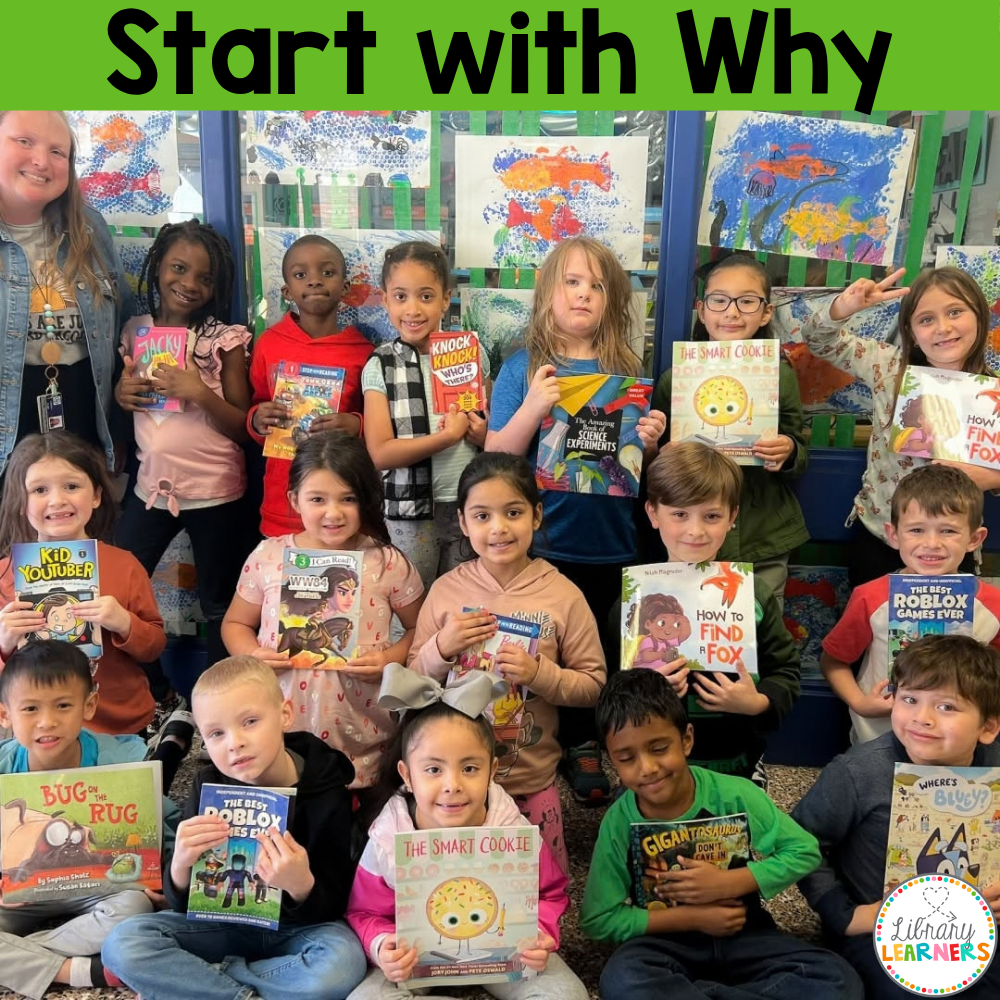
Before you look at a single website, ask yourself what you need this school book fair to do. Are you raising money for new library books? Or do you really need some new library furniture or supplies? Are you working to build a reading culture? Giving kids who don’t have many books at home a chance to shop for a book of their own? Knowing your top priority will help you weigh the rest of this list.
Also grab a few numbers from past years, if you have them available: how much you raised, how many volunteers showed up, and how many hours you personally spent. That’s your baseline for comparing programs.
Step 2: Evaluate Fundraising Ease
Fundraising is the heart of it for most of us, so look past the headline percentage.
What to check:
- Profit structure. Is it a flat percentage of sales, or does it change with sales tiers? Do you get that percentage in cash, or in credit toward books and supplies? Literati offers up to 60% back in rewards while Scholastic offers up to 50% back.
- Rewards partners. Ask about where you can spend your book fair profit, if you don’t take it in cash. For example, Scholastic credit can only be used to shop in the Scholastic Dollars catalog, while Literati credits can be used to shop with Capstone, DEMCO, Novel Effect, and other librarian vendors.
- Online fair options. Many programs offer an online component that reaches families who can’t make it to campus or relatives who live far away. Ask how online sales are credited to your school and how long the online window lasts. For example, if you choose to continue the online fair all year long, through birthdays, holidays, and summer reading, you’ll receive 2% back from Scholastic and 10% back from Literati on every order.
- Payment logistics. Can you take cards? Do families have an e-wallet option? Fewer cash-handling headaches means fewer change-counting mistakes. Both Scholastic and Literati offer cashless options.
- Reporting. Will you get clear sales reports so you can see exactly what you earned?
- Restocking. With Scholastic, you will need to create and place restock orders yourself, while Literati auto-populates “Smart Picks” based on real-time monitoring of sales. Too busy to make a list? You can let Literati’s auto-submit do the work, or you can customize your Literati restock order if you prefer.
Questions to ask the rep:
- “What is my school’s profit, as cash and as credit? Can I split my rewards between cash and credit?”
- “Are there any fees, minimums, or shipping charges that reduce my earnings?”
- “How are online sales tracked and credited to us?”
- “How will my book fair be replenished?”
Step 3: Look Closely at Book Quality
A school book fair can raise lots of money and still disappoint if the books aren’t worth reading or if they fall apart after students take them home. This is where your librarian expertise really matters.
What to check:

- Variety and age-appropriateness. Is there a strong range for your grade levels, including picture books, early readers, chapter books, graphic novels, and nonfiction?
- Real books versus novelty items. Pencils, erasers, and gadgets are fun, but look at the ratio. How much of the fair is actual books? Scholastic provides many toys and trinkets designed to be displayed near the cash register, and some of these impulse items annoy teachers and parents. Instead of novelty toys, Literati stocks its supply shelves exclusively with fun items that inspire young authors and illustrators, such as pencils, erasers, bookmarks, journals, and pens.
- Diversity and representation. Do the titles reflect the students in your school and give them windows into other lives? Are multiple publishers represented (Literati), or is the inventory mainly from one publisher (Scholastic)?
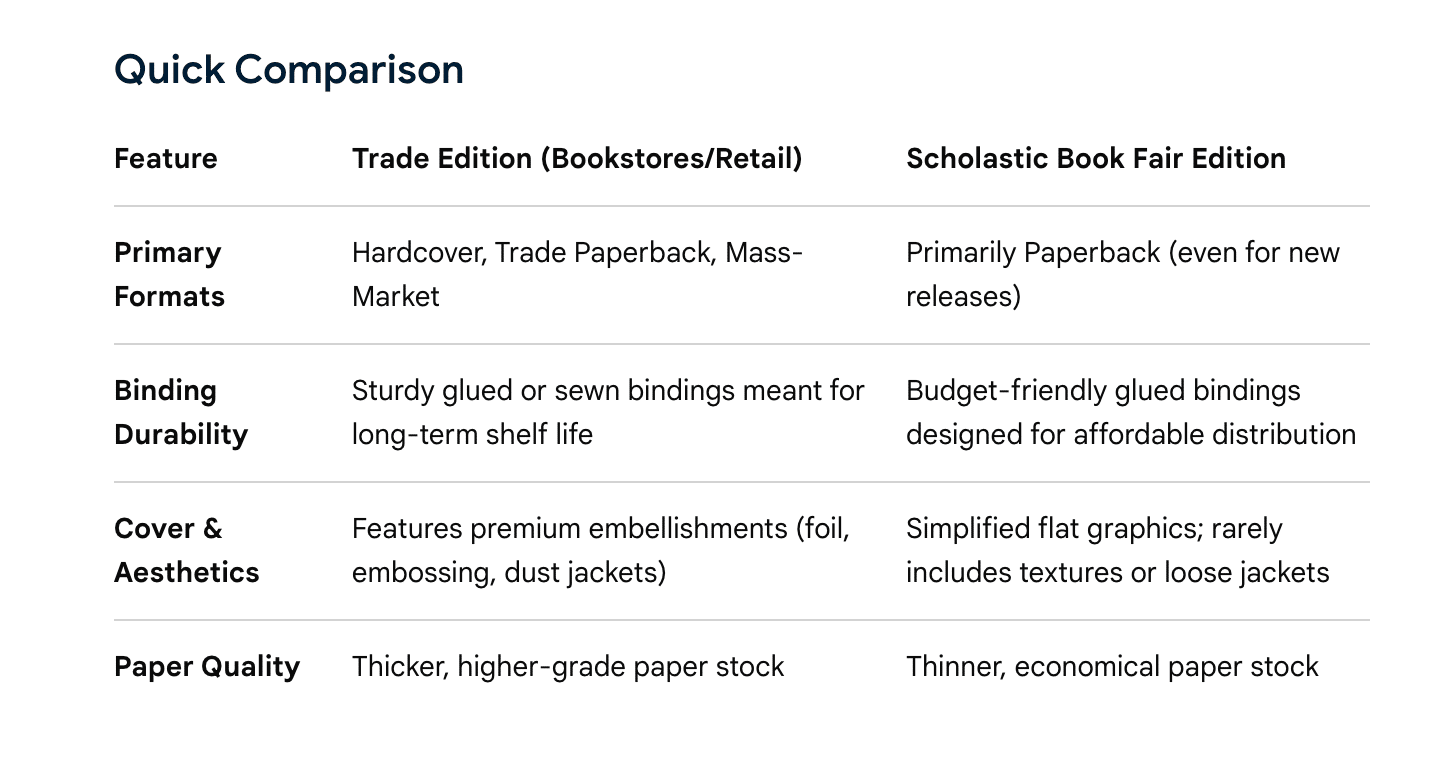
- Book bindings. Ask whether the books are the same trade editions you’d find at a bookstore, or special editions printed just for book fairs. Book-fair-only editions sometimes use lighter paper and lower-grade bindings to keep costs down. Literati books are retail trade editions, the same ones you’d buy off a bookstore shelf.
Step 4: Weigh the Setup Demands
This is the step people skip, and it’s often what decides whether a book fair is a joy or a burden. Be realistic about your time and your volunteer pool.
What to check:
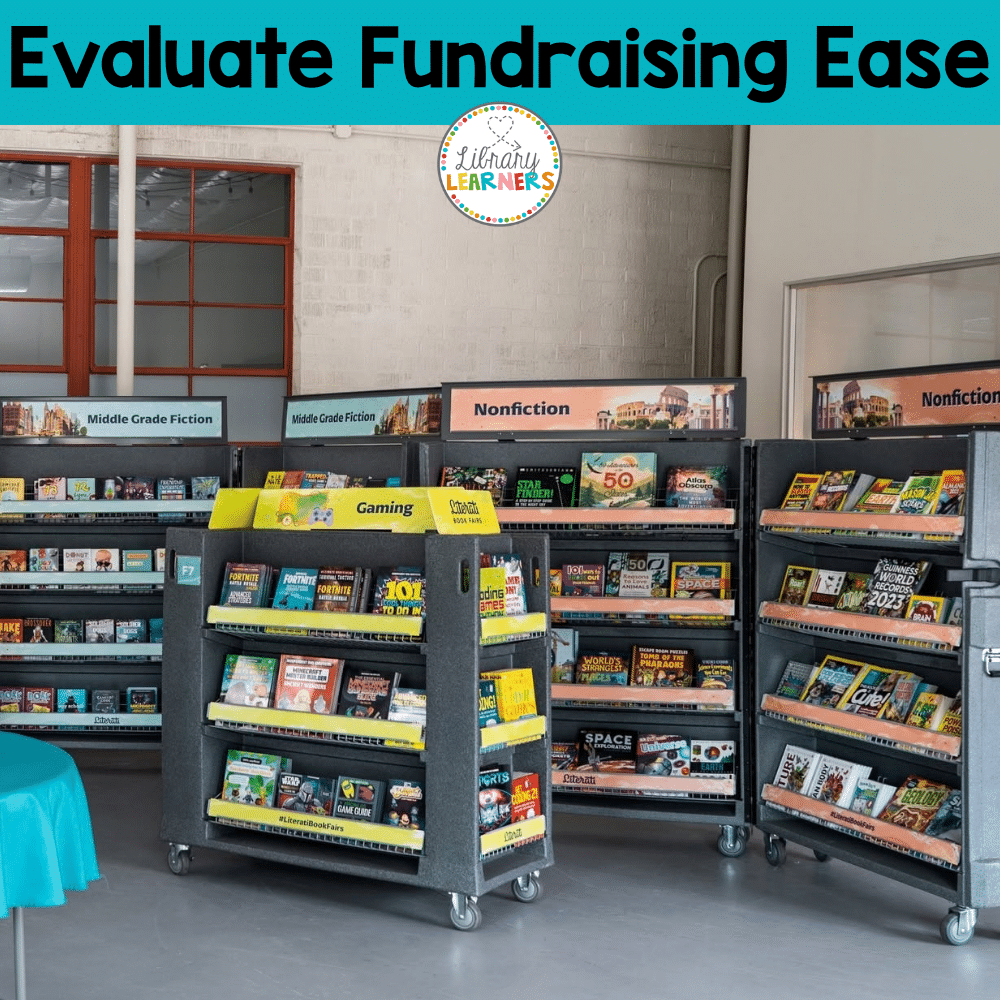
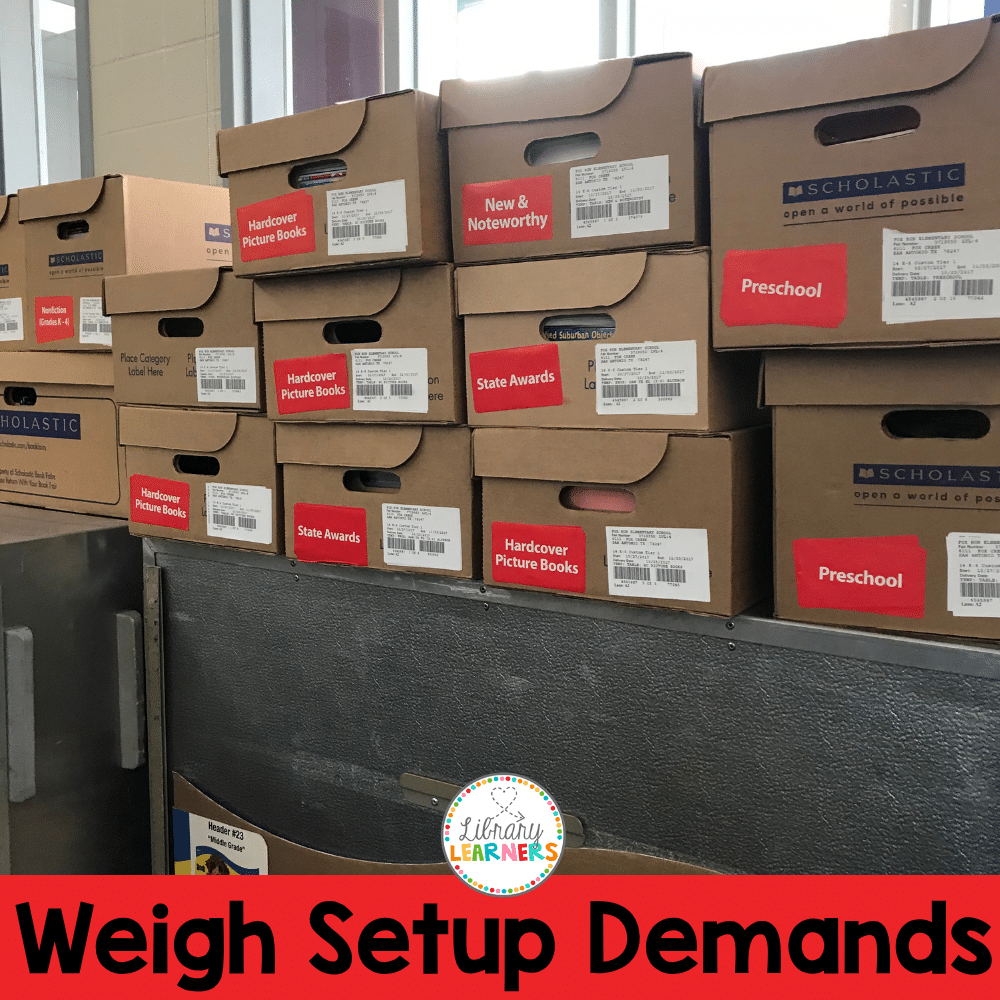
- Delivery and setup. Are cases, shelves, and display materials included, and how many book boxes will you be required to lift and move? Literati Book Fairs are delivered mostly (75%) on rolling cases and can typically be set up in an hour or less with only one or two people required. Scholastic delivers multiple boxes of books that need to be lifted and moved to set up your book fair, and a team of volunteers is recommended.
- Boxes and displays. Are the boxes you receive filled with books that you will need to create displays for (Scholastic)? Or are the boxes stocked with ready-to-go displays that you simply lift out of the box (Literati)?
- Volunteer needs. How many helpers do you need per shift? Is the checkout process simple enough for a parent volunteer to manage with a short training?
- Volunteer gifts.What type of discount does the book fair company offer to your volunteers and school staff? Literati gives a 20% discount on the total purchase to volunteers and school staff. Scholastic gives a discount coupon of $5 off a $20 purchase for school staff and volunteers, limit one coupon per purchase.
- Inventory and cleanup. How do you count and reconcile at the end? How long will it take you to pack up the fair and submit your sales reports?
Honestly, a program with slightly lower profit and much lower setup demands can be the better choice if it keeps you from burning out. Your time has value, too.
Step 5: Check the Sales Support
The best fairs don’t just drop off cases. They help you succeed.
What to check:
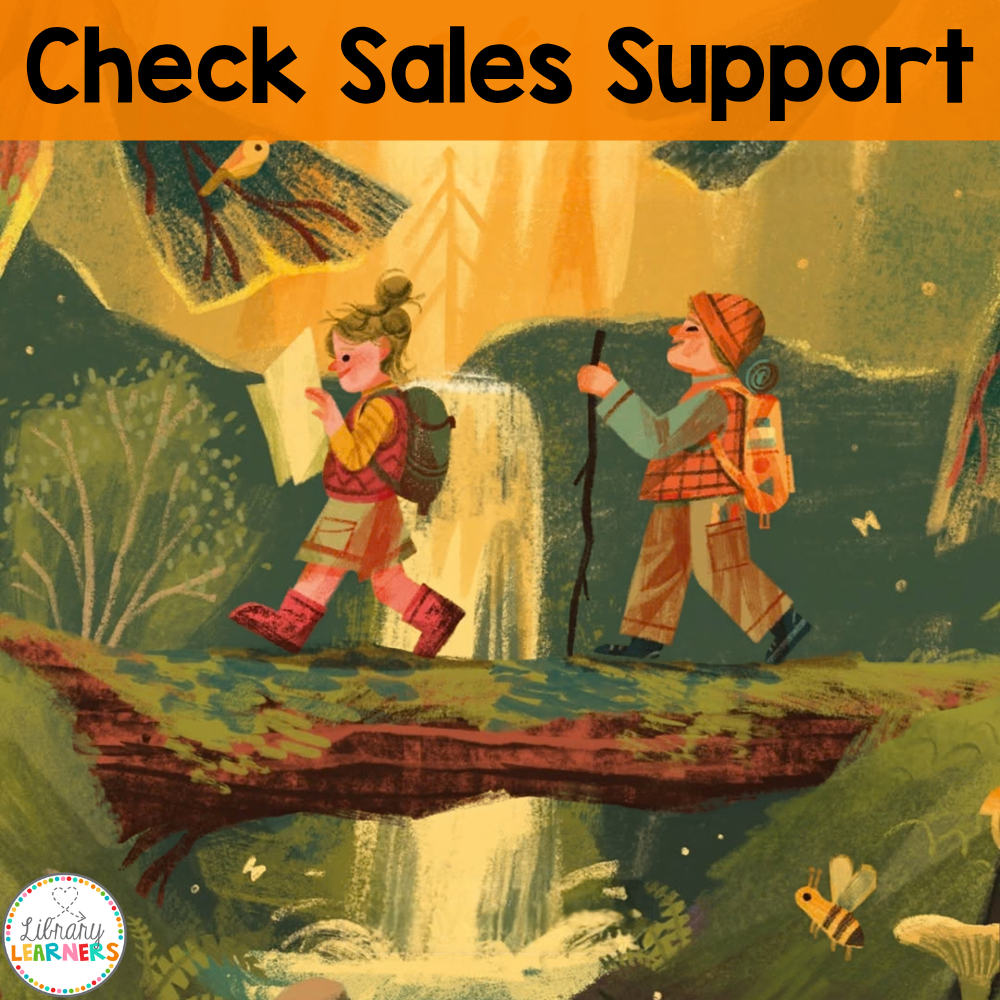
- Promotional materials. Do you get flyers, posters, social media graphics, and email templates, or do you have to create everything yourself? Does the book fair company supply a decorative theme (like Literati) or will you be required to create your own theme (Scholastic)?
- Wish list tools. Can students and teachers make wish lists that families can view online? This is a great way to drive sales and make gifting and teacher appreciation easy. Scholastic promotes printed teacher wish lists and a display board, while Literati encourages digital teacher wishlists to make participation easier for busy families.
- A real person to call. Will you have a dedicated rep who answers questions, and is support available during the fair itself if something goes wrong?
- Training and planning resources. Some programs offer planning checklists, theme ideas, and tips from librarians who’ve done it before. For example, Literati offers theme changes every season to drive customer excitement and student engagement.
- Questions to ask the rep:
- “Who is my point of contact, and how quickly can I reach them during the fair?”
- “What marketing materials are included, and what costs extra?”
- “What help do you offer for promoting the fair to families?”
Step 6: Compare Your Options Side by Side

Once you’ve gathered the details, make a simple scorecard. List each program in a column and rate it from 1 to 5 on the four areas: fundraising ease, book quality, setup demands, and sales support. Then weight the categories based on your “why” from Step 1. If book access is your top priority, book quality counts double. If your volunteer pool is tiny, give setup demands extra weight.
Bonus steps that will save you later:
- Ask other school librarians. Post in a librarian community (like the Learning Librarians Facebook group) or ask your district colleagues what their experience has been. Real-world feedback is worth its weight in gold.
- Read the contract. Look at cancellation terms, return policies, and payment timelines before you sign.
- Start small if you’re unsure. If you’re trying a new program, consider one fair to test the waters and compare book fair providers for yourself.
The Bottom Line
The best book fair program is the one that matches your goals, respects your time, and puts great books in kids’ hands. Take the time to ask good questions, compare your options honestly, and trust your instincts as the expert on your school community.
You’ve got this, friend! 💛
Cari
Further information about book fair editions, provided by Gemini: