
12 Tested AR Alternatives to Keep Kids Reading

As school budgets shrink, many librarians are looking for alternatives to the Accelerated Reader program. If you’re looking for tried and true, librarian-tested AR alternatives that will keep your students reading, this post is for you!
Tech AR Alternatives
Beanstack: Many school librarians have found Beanstack to be an easy and rewarding platform to use as an AR alternative to encourage student reading. Instead of taking quizzes, students log their reading minutes with the app’s built-in timer and by scanning the book’s ISBN. You can set a minutes goal for each grading period and provide rewards for students who reach that goal, like T-shirts, Smencils, popsicles on the playground, or free books. You can create challenges for reading your state award books, and you can provide certificates for classes that log the most minutes. You might set a schoolwide goal for total minutes read and throw a schoolwide celebration when you reach that goal.
Book Taco: Like AR, Book Taco has book quizzes, but it also provides more: logging daily reading time, writing about the book, learning vocabulary, and graphic organizers. Students love the virtual reading pet and earning game coins. The more students read to the virtual pet, the more time they get to play in his house. Plus, the reading comprehension quizzes have a read aloud feature which is helpful for younger students. Book Nacho has non-fiction articles based on 3 reading levels. Articles on such topics as animals, geography, dinosaurs, and science are similar to Pebble Go but more interactive with quizzes on each article and detailed individual student reporting.
Whooo’s Reading One difference for this platform is that students respond to books by typing their answers, not by answering multiple choice questions. This AR alternative requires more writing from students, using an algorithm to score their responses.

StudentReading.net: This affordable AR alternative has fewer bells and whistles, but it does track which books and how many words students are reading. Students can write a response to one of the book questions and rate the books that they’ve read. As you can see from the screenshot below, this program does rely on teachers or librarians to monitor and approve student responses, and the level of typing required may not be user-friendly for younger grade levels.

ReadNQuiz: ReadNQuiz is another more affordable AR Alternative, again with fewer features. The program quizzes students over their comprehension of the books that they’ve read. Librarians say that it’s user-friendly and easy to set up. Educators can write and submit quizzes for books that aren’t already included in the program and can add questions for books that are included, resulting in a greater number of questions for each book.
Book-Focused AR Alternatives

Read a chapter book aloud to the whole class: If your classroom teachers are focused on test packets and passages, you may need to use your library class time to read a chapter book aloud to the whole class. If parents are too busy to read aloud at home and teachers are too busy to read aloud in the classroom, we school librarians are the last line of defense. Kristin Brynsvold wrote a great blog post sharing exactly how she reads chapter books to her second grade library classes and how she sets behavior expectations for read-aloud time.

Book Previews: One part of the AR program that many teachers like is the ability to find a student’s “reading level.” I found that by partnering with classroom teachers to do book previews during student book checkouts, we were able to help students choose books that they could comfortably read and enjoy. This made an immediate impact on students actually reading the library books that they checked out, and our data showed reading improvement quickly.

Student Book Clubs: There are many ways to host student book clubs in your school library, and I share those in this blog post. I found it super easy to read books with students during their lunch time and help them learn to enjoy reading chapter books from beginning to end. This program was contagious on my elementary school campus, and my example encouraged many classroom teachers to start their own lunchtime book clubs. That’s one way to change the reading culture on your campus.
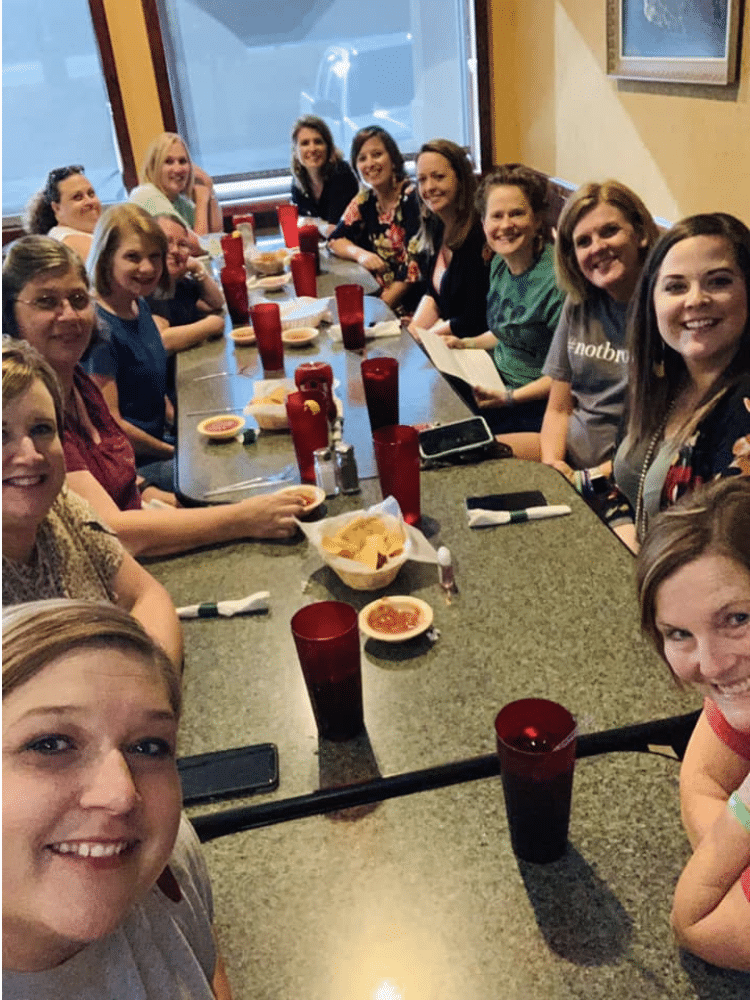
Teacher Readers Book Clubs: Sometimes, the students aren’t the problem. Your school might have a culture where teachers are not reading books for themselves and therefore can’t pass on a passion for reading to their students. One solution for that challenge is not an AR alternative, but a way to address the root problem, with Teacher Readers Book Clubs. Ashley Gordon wrote this guest blog post, sharing how she redefined her school’s reading culture and changed teacher’s reading habits by creating a book club for teachers. She says that it took very little time on her part and yielded great changes in teachers’ reading habits.
State library book award lists: You can use your state’s readers’ choice awards as a way to get kids involved in reading. You can read some or all of the books aloud in the library, and your classroom teachers may read a few aloud, as well. Provide an incentive for kids who read a certain number (5, 10, or 15) or all of the books on the list, like getting to check out an extra library book for the remainder of the school year. Author Cynthia Leitich Smith maintains a list here of USA reader’s choice awards by state. I assembled my best tips for running a state award book reading program here.
AR Alternatives for Tracking Books Read
Rewards from Local Businesses: Pizza Hut Book It! is probably the most established and well known reading reward program, but you may find other local businesses who provide reading trackers and rewards for your students. Here in San Antonio, we partner with a local water park (Schlitterbahn) and Six Flags Fiesta Texas for reading incentives that families are motivated to participate in.

Read your height: Jamie Wagner blogged here about how she challenged both her students and herself to trace themselves on butcher paper and read their height during the school year. She traced the thickness of the book spine and wrote in the author and title to measure the “height” of her reading. These make a great library or hallway display to show exactly what you and your students are reading, and the silhouettes add an element of colorful fun.
As you can see, there are many AR alternatives, ranging from free to subscription. As the school librarian, you must be a leader in creating a culture of reading on your campus. I hope this blog post gives you some helpful ideas. Need more? Join our Learning Librarians Facebook group, and ask your questions there!
Happy reading!
